The Gowanus Art Spine

From Congestion to Connection

An urban intervention addressing gentrification and the displacement of local artists by connecting studios and anchors along a vibrant, community-focused path.

Insights: The Challenge

Gowanus is facing a critical turning point. New residential builds now command a 35% rent premium, creating a financial incentive for landlords to evict artists and convert historic warehouses into luxury spaces.

Artist studios are an "invisible" asset. Unlike retail storefronts, they don't fit the traditional Business Improvement District (BID) toolkit because they generate low foot-traffic. Every year during Open Studios, hundreds of artists voice fears of displacement and rezoning anxiety.
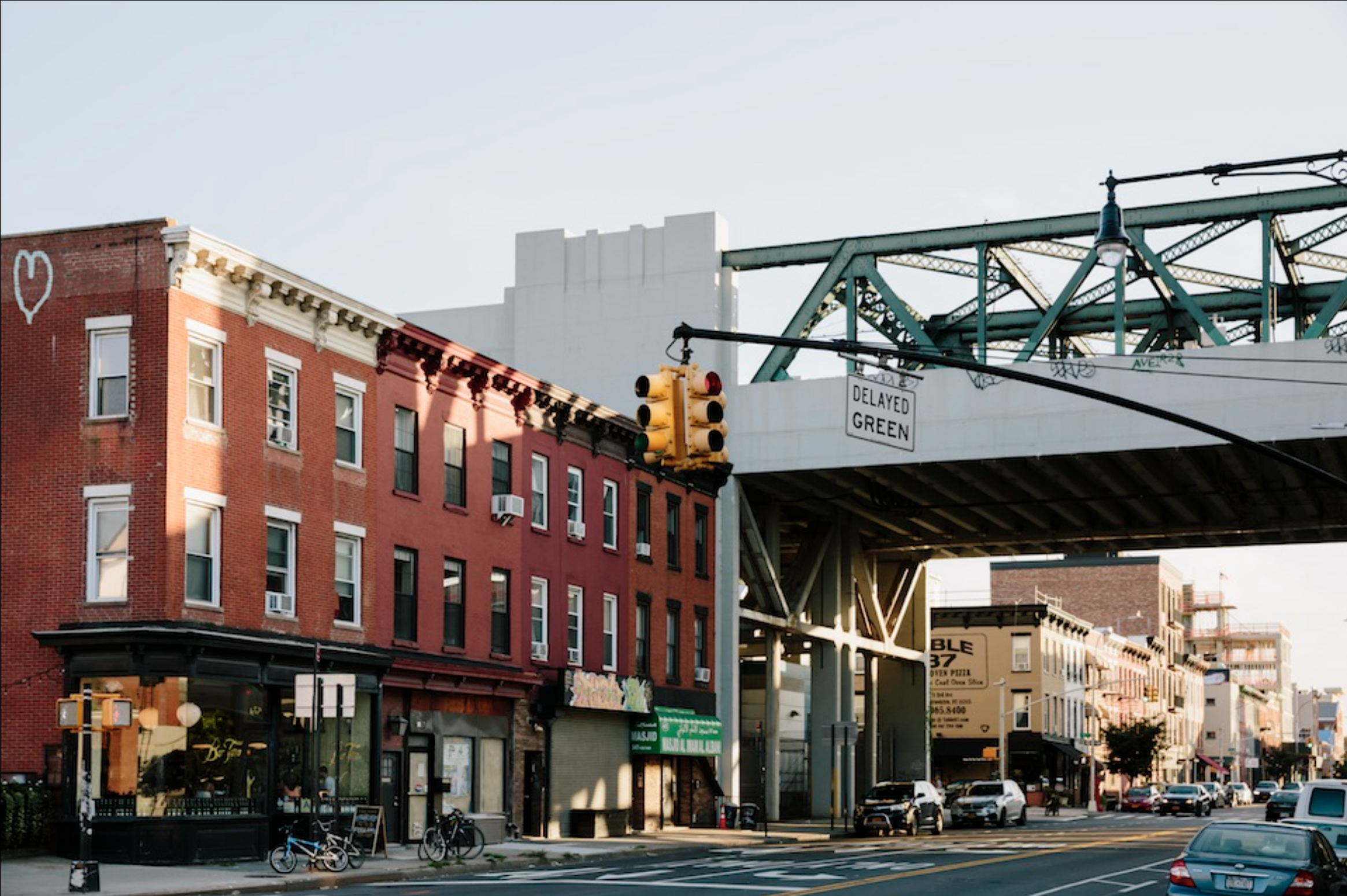
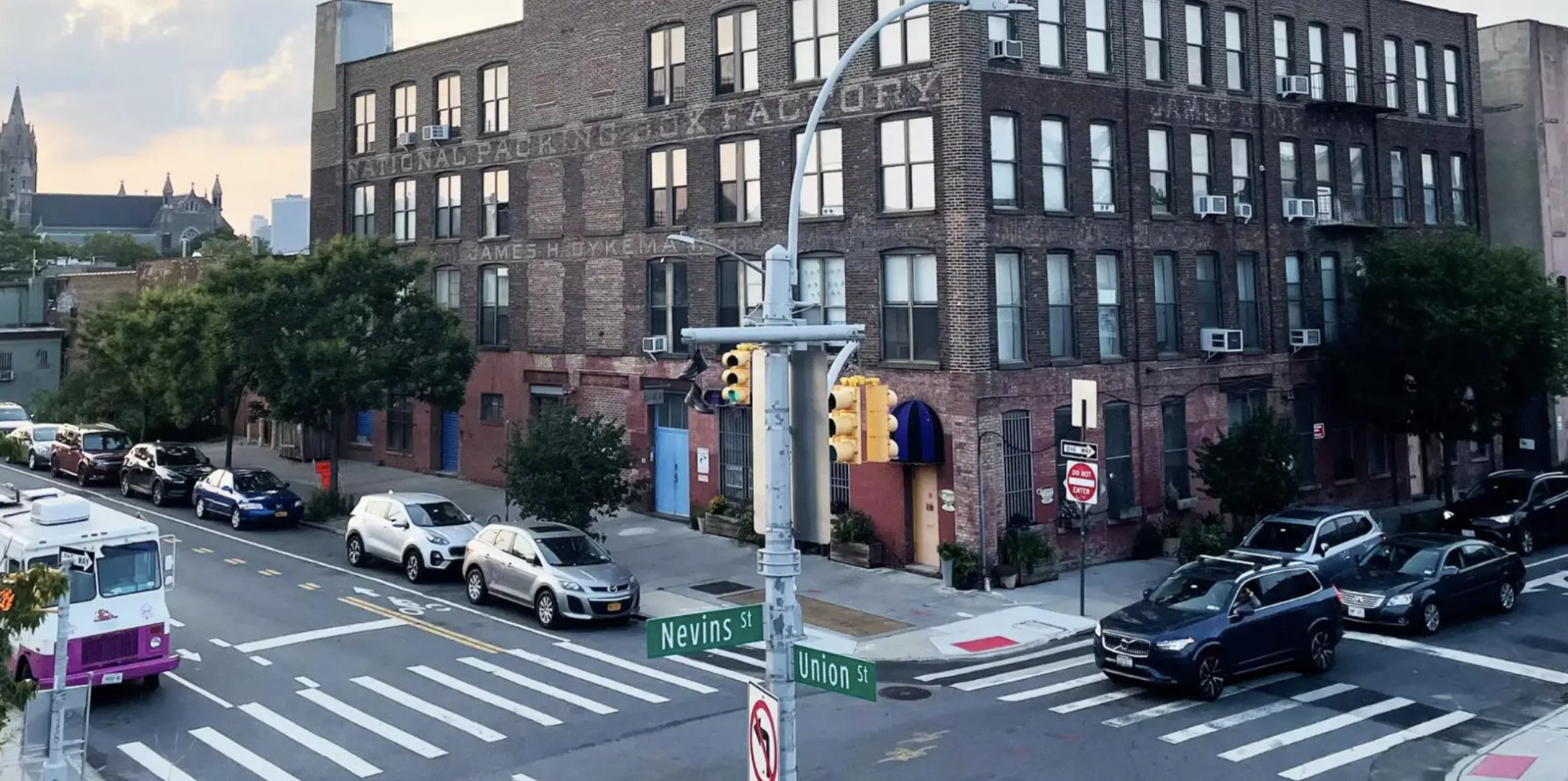
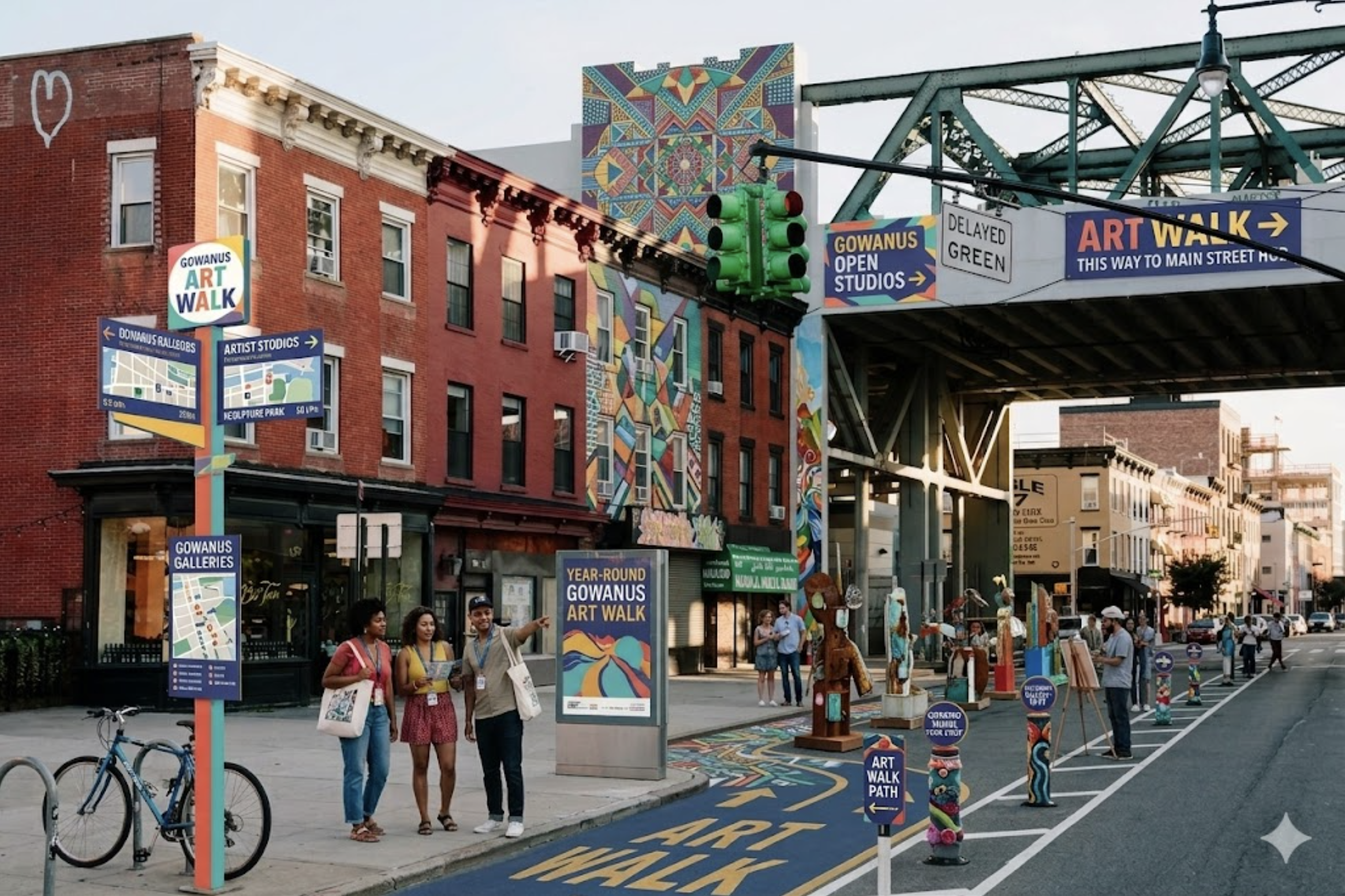
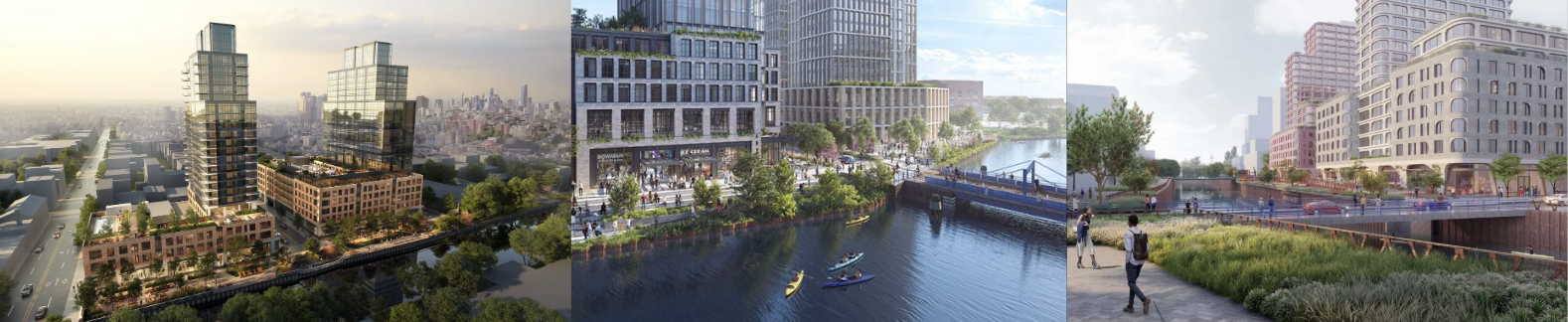
Gowanus Congestion 1 Gowanus Congestion 2

Transformation: The Intervention

Our solution is the Gowanus Art Spine, funded by a new "Congestion Relief" Pricing model—but for gentrification.

As new residents move into luxury builds, they pay a one-time fee that goes directly towards building the Art Spine. This curbs gentrification claims and funds cultural preservation.

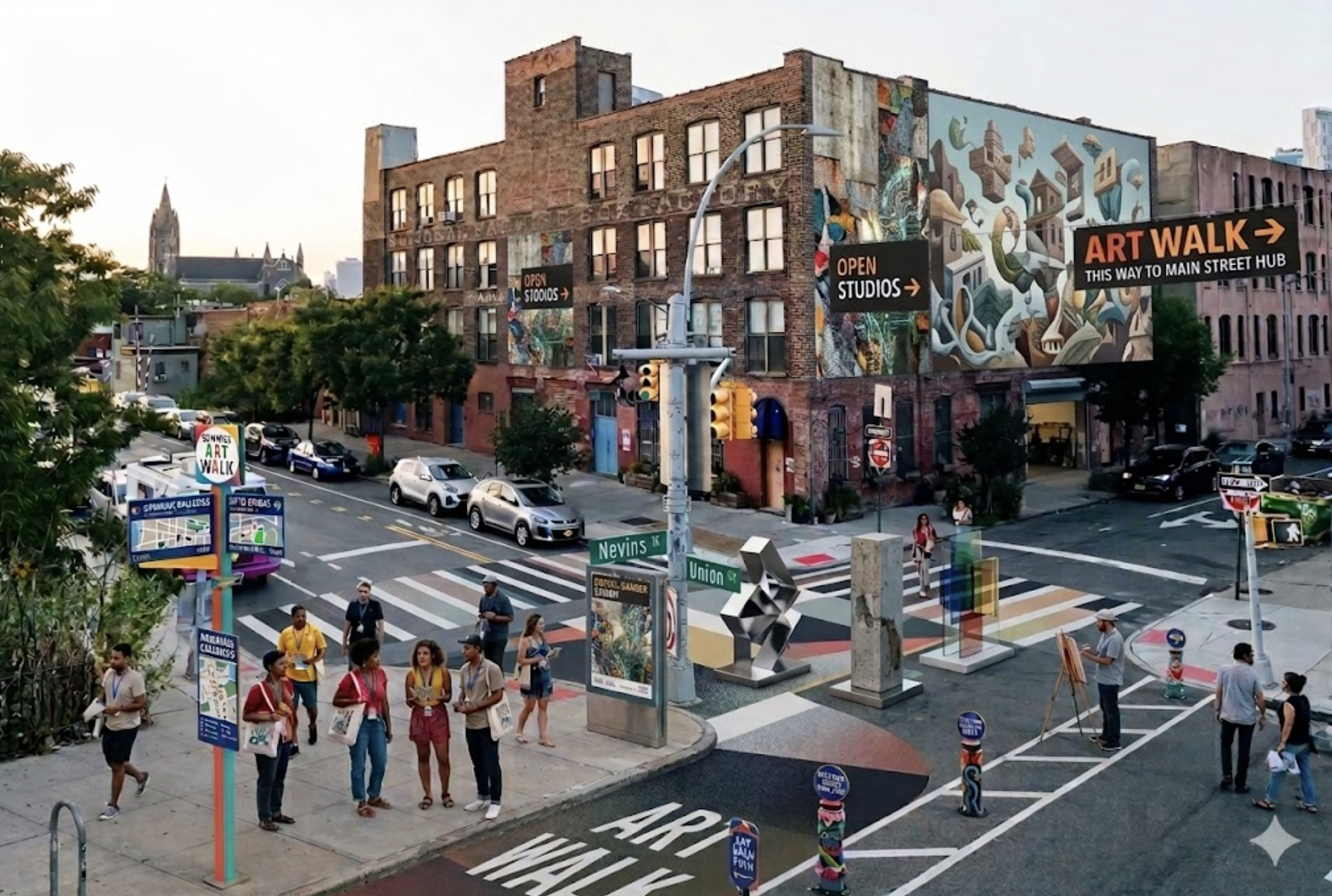
Unlike the High Line—which led to displacement and was heavily influenced by private donors—the Art Spine is a community-prioritized pathway designed to increase foot traffic to artist studios without accelerating displacement.

Art Spine Transformation 1 Art Spine Transformation 2

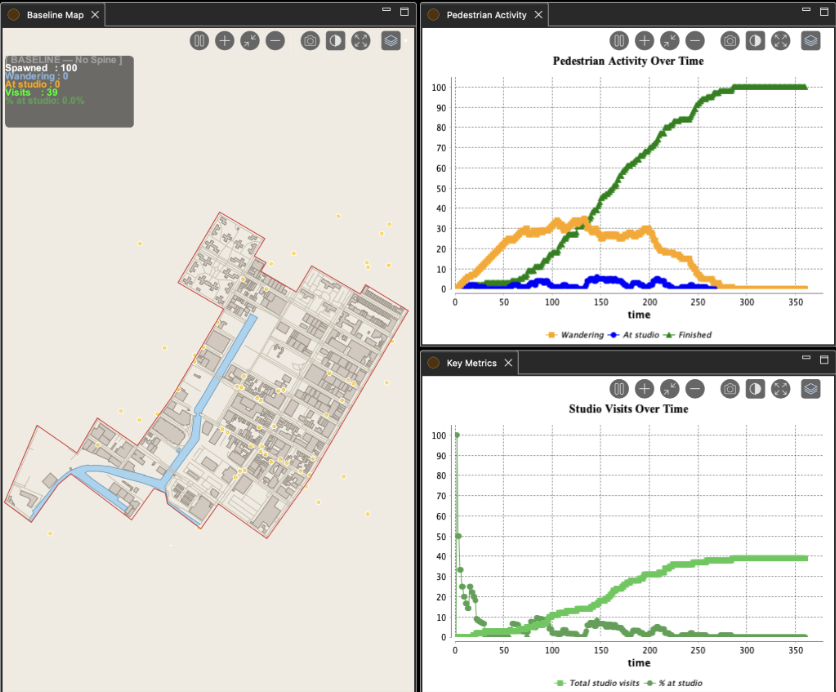
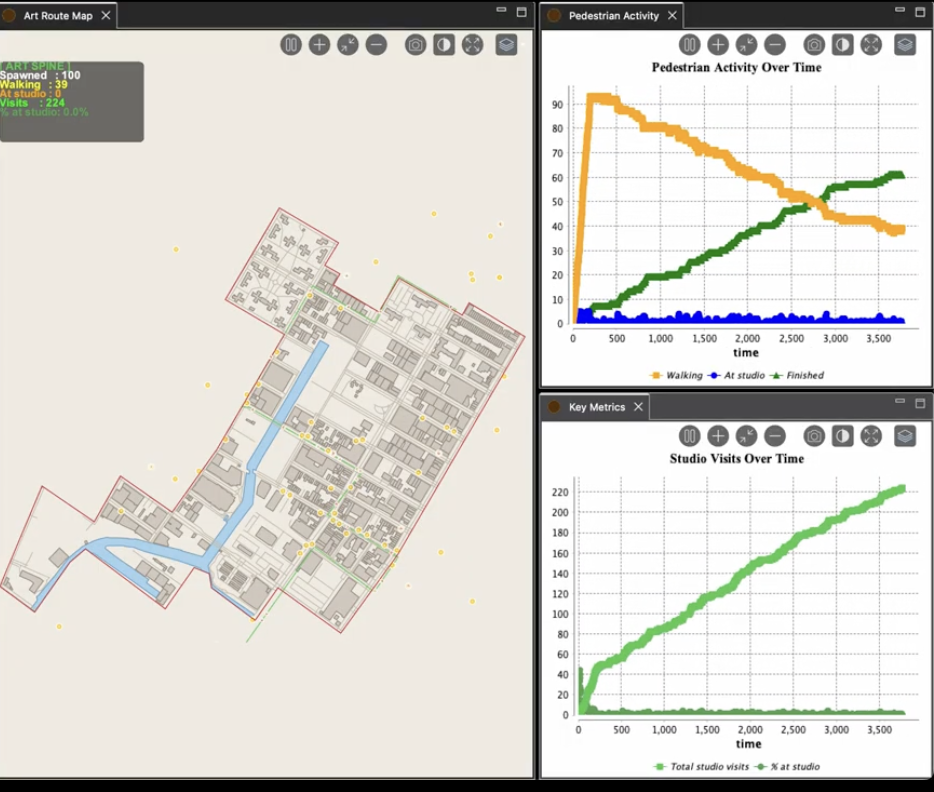
Prediction: The Art Spine & Congestion Relief

Art Spine Anchors

Hey Clay Pottery Studio

Emphasis on shared resources and knowledge

Textile Arts Center

Exhibits, summer camps, and galleries

Theater Mitu (Mitu580)

Combination of niche and common plays, small business and research

ZeroSpace

Modern, digital and live theater

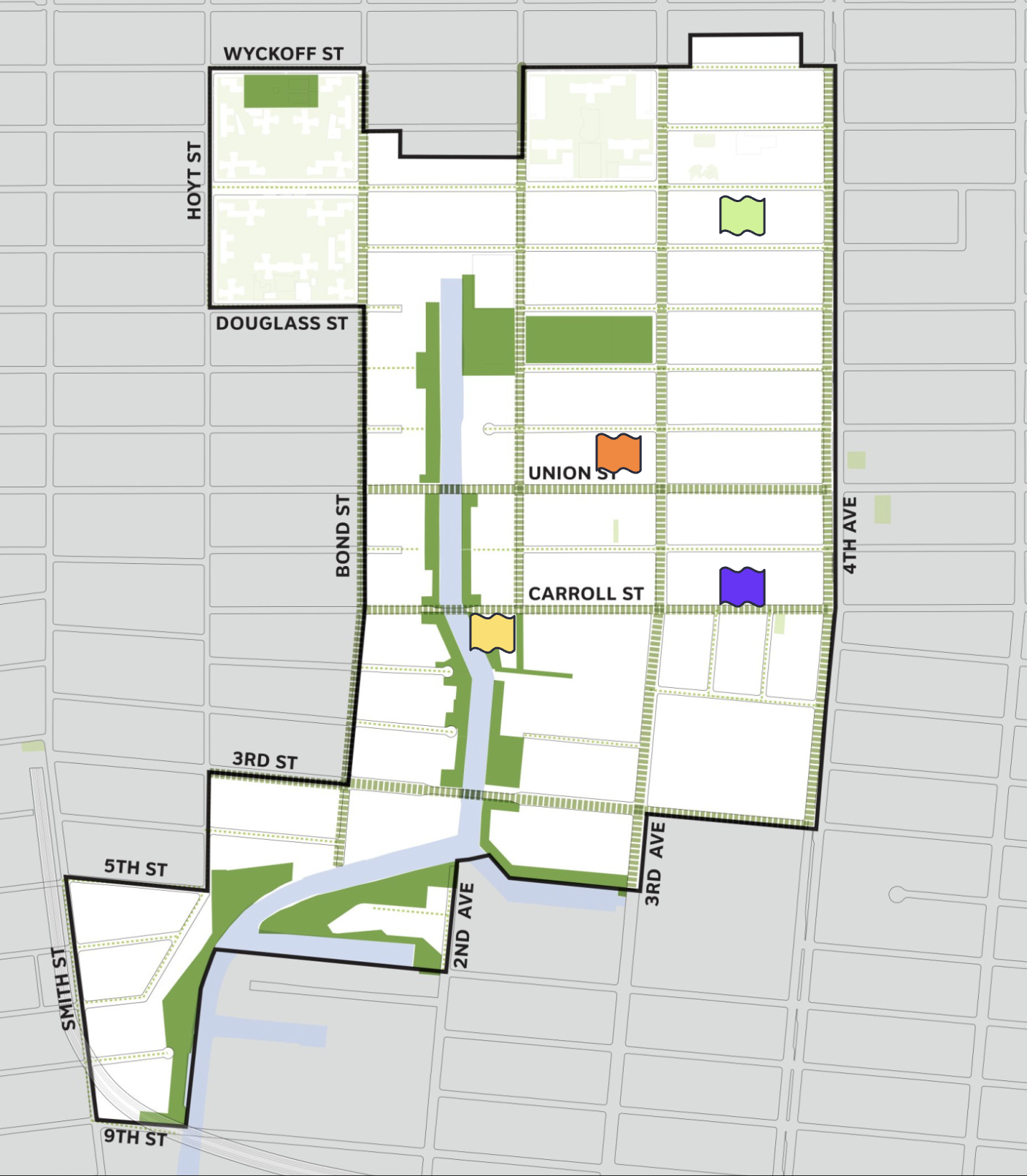
Base Map
New development in Gowanus

New Neighbor "Congestion Relief"-Style Pricing

As Gowanus grows, new luxury residents benefit from the neighborhood's culture — built by artists over decades. The Congestion Relief Fee asks newcomers to invest in preserving what made them want to move here.

5,300+
New units filed since the 2021 rezoning
2.3
Average people per household in NYC (Census)
~12,000
New renters projected to arrive in Gowanus
$2.4M
Potential fund at $200/person one-time fee
01

New resident moves into a luxury development in the Congestion Relief Zone

02

Pays a one-time fee at closing or lease signing

03

Funds go directly into the Art Spine Fund for studio preservation and streetscaping

Not a tax. A community contribution built into the purchase and rental process — no complicated extra process to receive funds.

Community-controlled. A resident board — majority artists and long-term Gowanus members — decides how funds are spent.

Not displacement. Unlike the High Line, the Art Spine uses development pressure to fund artist retention.

Scalable. As more developments come online, the fund grows automatically without burdening existing residents.

Consensus: Engagement Strategy

Phase 1
1–4 months

Listening Sessions

Gathering feedback from Gowanus residents and local studio artists on ideal studio viewing path.

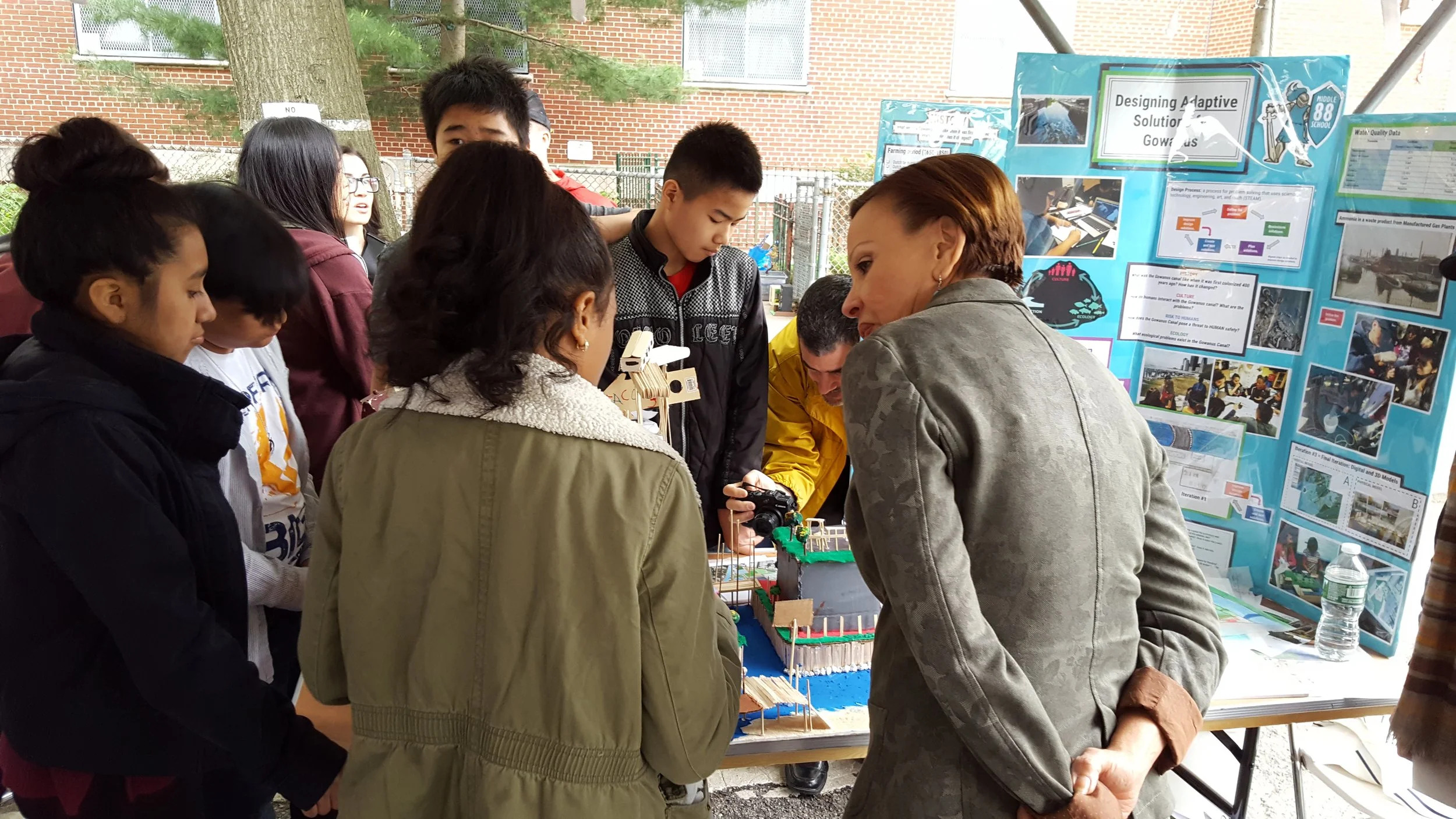
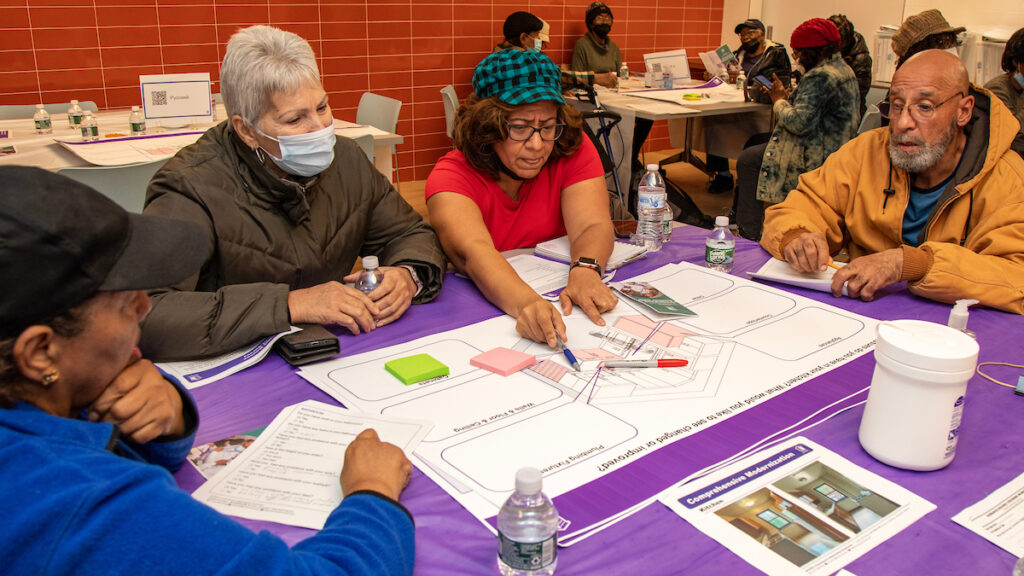
Community listening session
Design workshop
Phase 2
4–9 months

Design and Iteration

Collaborative workshops to outline the 'Art Spine' route, balancing safety and aesthetics.

Phase 3
9–12 months

Pilot Program

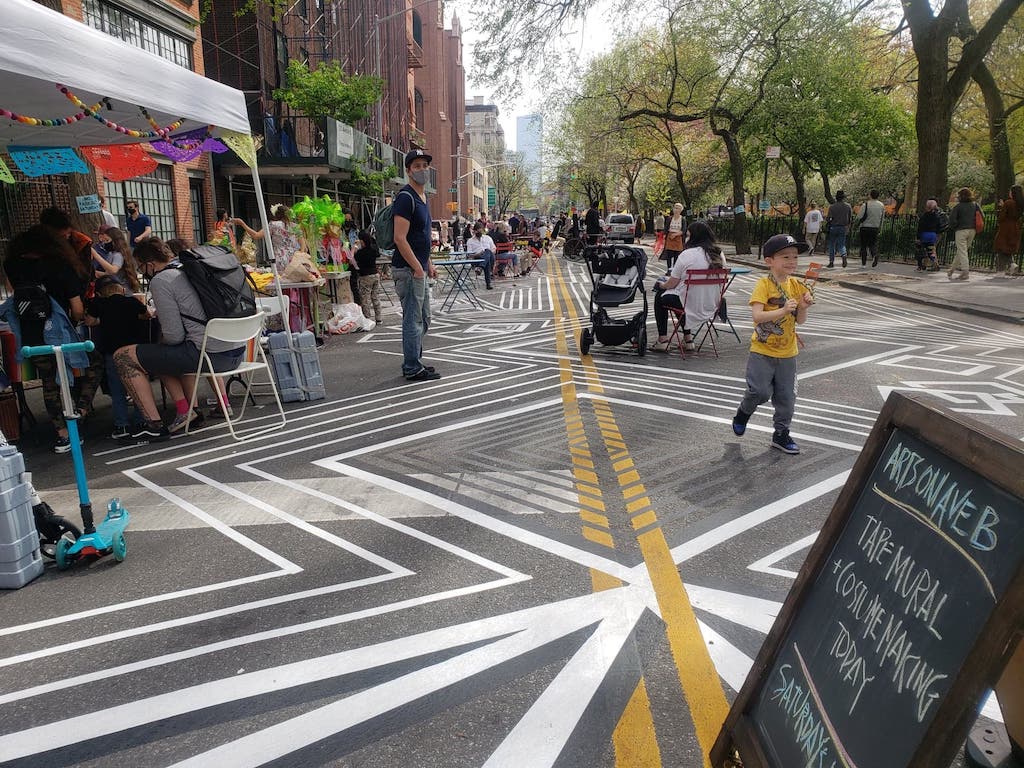
Temporary street closures and weekend art walks to test the impact of the spine.

Pilot street closure
Completed streetscape
Phase 4
Year 2 and beyond

Implementation

Permanent zoning adjustments and streetscaping for the full Gowanus Art Spine.

Agents of Change Concentric circles showing stakeholders from inner core to outer city agencies for the Gowanus Art Spine AGENTS OF CHANGE ARTS GOWANUS + CONSERVANCY TEAM CURRENT RESIDENTS NEW RESIDENTS BKLYN BOROUGH NYC COUNCIL FINANCE CITY OF NY (congestion relief) NYC PLANNING (infrastructure) NYC DEPT OF FINANCE